Why founders should stop borrowing other people's playbooks
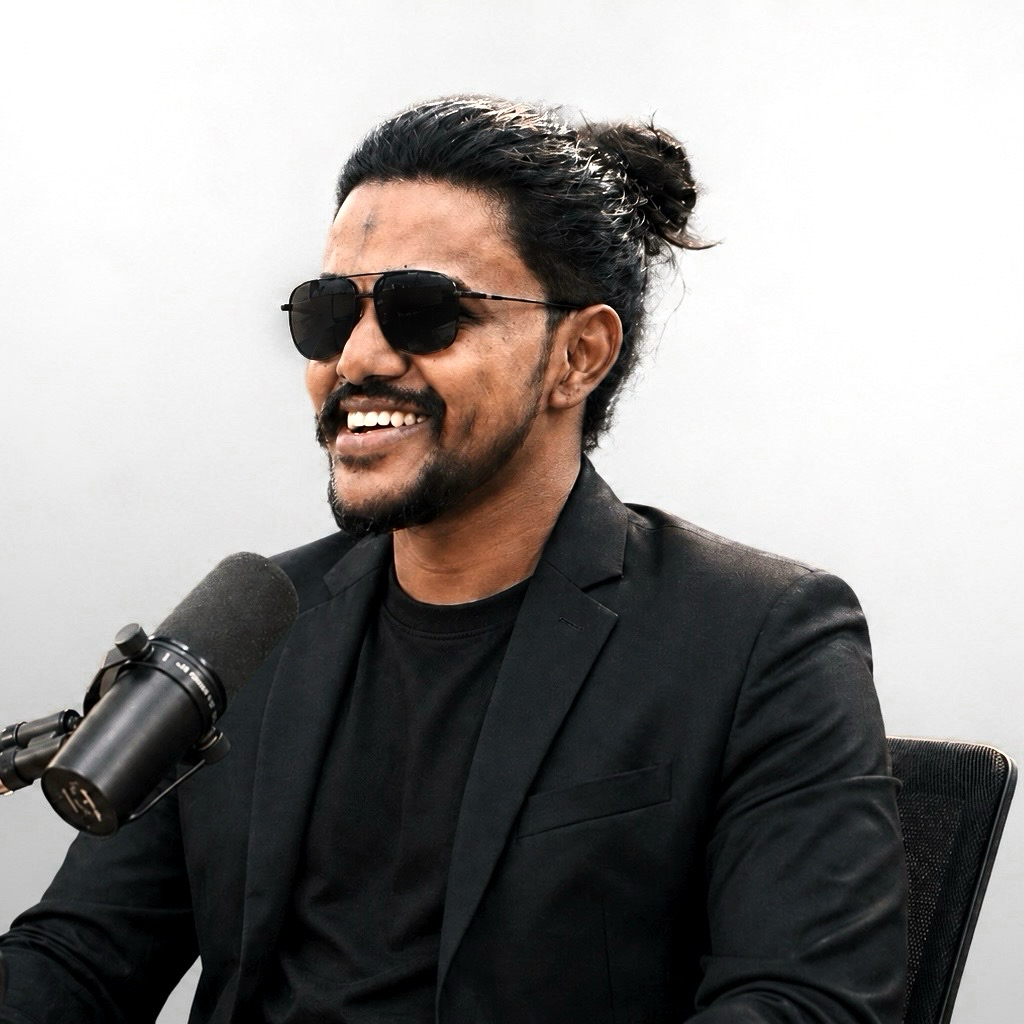
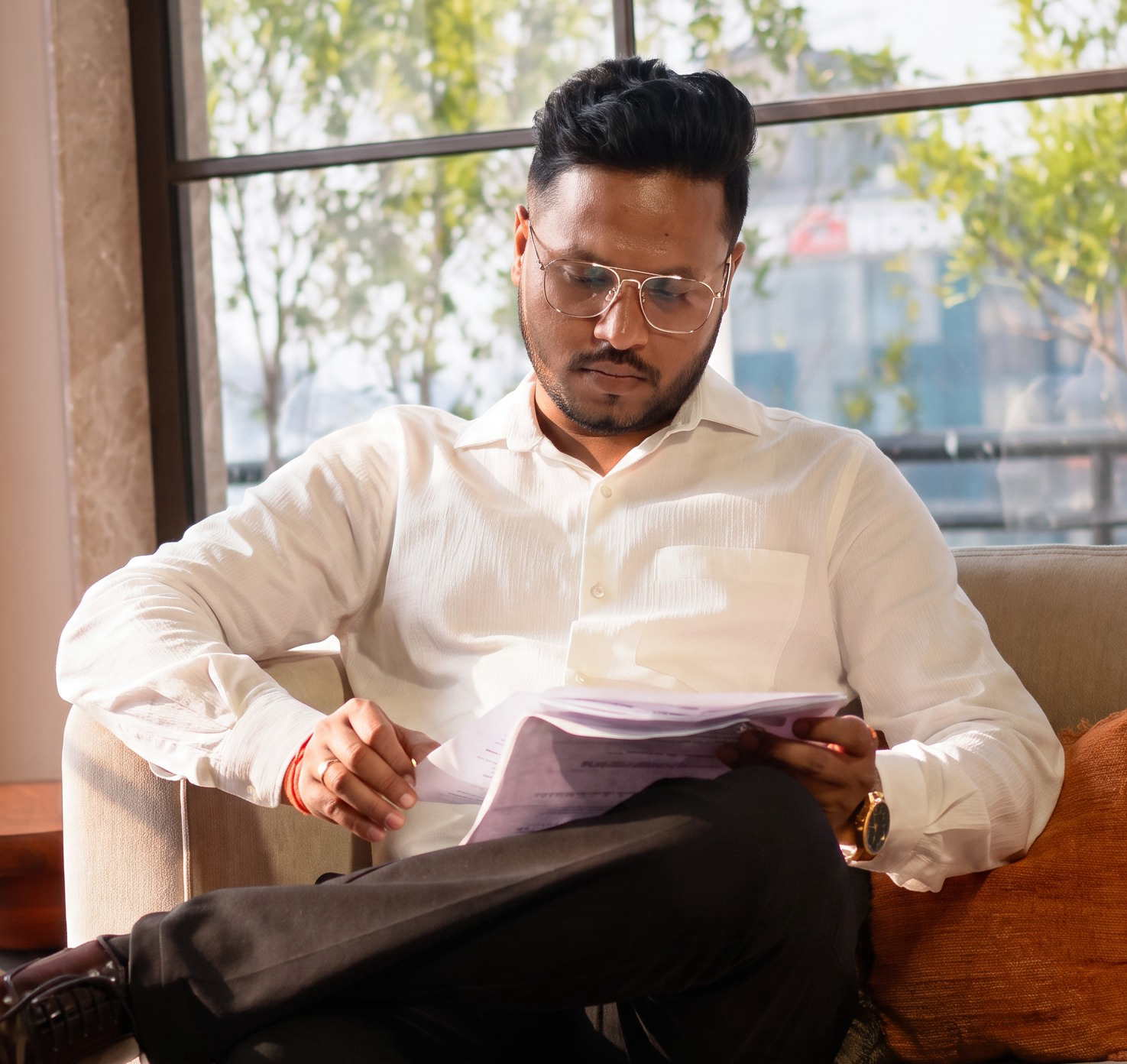
Ankit Rituraj, Founder of Mad Social
The startup ecosystem thrives on advice.
Every day, founders are told what works, what doesn't, which strategies to follow and which mistakes to avoid. Success stories are packaged into frameworks, YouTube videos and coaching sessions, often giving the impression that building a company follows a predictable path.
For Ankit Rituraj, founder of Mad Social, that belief didn't last long.
Like many first-time founders, he entered entrepreneurship believing that the biggest challenges of building a business were already well documented. If enough founders had spoken about them, surely the roadmap already existed.
Building his own company changed that perspective.
"I think I had this misconception of the actual challenges of a startup or any new business," Ankit says. "Mostly it's not what you see on YouTube or hear from coaches."
The lesson wasn't that experienced founders were wrong. It was that their experiences belonged to their businesses, not his.
As Mad Social took shape, Ankit realised that every company carries its own set of problems. The realities of customers, teams, markets and decisions differ from one business to another, making borrowed strategies far less reliable than they often appear.
"Challenges are totally unique for every business," he says. "You should never generalise."
That shift in thinking began influencing every decision he made. Instead of asking whether an approach had worked for someone else, he started asking whether it made sense for his own business.
According to him, the assumption that successful companies can simply be copied is one of the biggest misconceptions new founders carry into entrepreneurship.
"Things that worked for others might not work for you," he says. "Things that failed for them may do well for you."
For Ankit, that meant becoming comfortable with experimentation instead of certainty.
The lesson surfaced in other parts of his journey as well.
Early on, Mad Social lost a few clients who were extremely important to the business at that stage. Looking back, he realised the setback wasn't simply about losing revenue. It forced him to understand that not every client is the right fit.
"I realised much later that not all clients are made for you," he says. "You need to choose and even say no sometimes."
Rather than treating every setback as proof that something was broken, he began treating each experience as information specific to his own business.
The same thinking shapes the advice he now rejects.
Asked about one piece of startup advice he would ignore today, his answer is immediate: "Build in private."
For him, universal startup advice often ignores the reality that every company is trying to solve a different problem for a different audience. What works for one founder may be irrelevant for another.
Today, as Mad Social focuses on building relationships and creating content with intention, Ankit continues to rely less on borrowed formulas and more on learning from his own market, customers and experiences.
His biggest takeaway is simple.
There is no universal startup playbook. Every founder has to discover what works by building, observing and trying things for themselves.