The Startup Mistake Every Founder Makes At Least Once, OkCredit Did Too.
OkCredit
One of the easiest mistakes founders make is assuming they know what customers want before customers have a chance to tell them. The assumption usually comes from logic. It makes sense inside the meeting room, sounds convincing in investor conversations and feels like the obvious next step. The problem is that customers don't always behave logically. They behave according to what actually makes their lives easier.
OkCredit learned this the expensive way.
As the company expanded its digital bookkeeping platform for small businesses across India, the team believed language would become one of its biggest growth drivers. Millions of merchants were more comfortable speaking regional languages than English, so making the app available in multiple Indian languages appeared to be the natural next step. It was difficult to argue against the idea. If India speaks dozens of languages, surely a product built for India should too.
The company invested months of work into translating and maintaining the product in 14 Indian languages. This wasn't just a matter of changing text on a screen. Every language required testing, customer support, product updates and continuous maintenance. The effort demanded engineering time, operational resources and money that could have been spent elsewhere.
Then the data started coming in.
Despite all the effort, most users continued using the app in English and Hindi. The remaining language versions contributed very little to overall usage. The assumption that localisation alone would unlock growth simply didn't match customer behaviour.
This is where many startups make a second mistake. After investing months into a feature, they continue supporting it simply because too much has already been spent to walk away. Product roadmaps become driven by past effort instead of present evidence.
OkCredit chose not to fall into that trap.
The company shut down most of the regional language versions and redirected its focus towards what customers were actually using. It meant accepting that months of work had not produced the outcome they expected. It also meant making decisions based on customer behaviour rather than founder conviction.
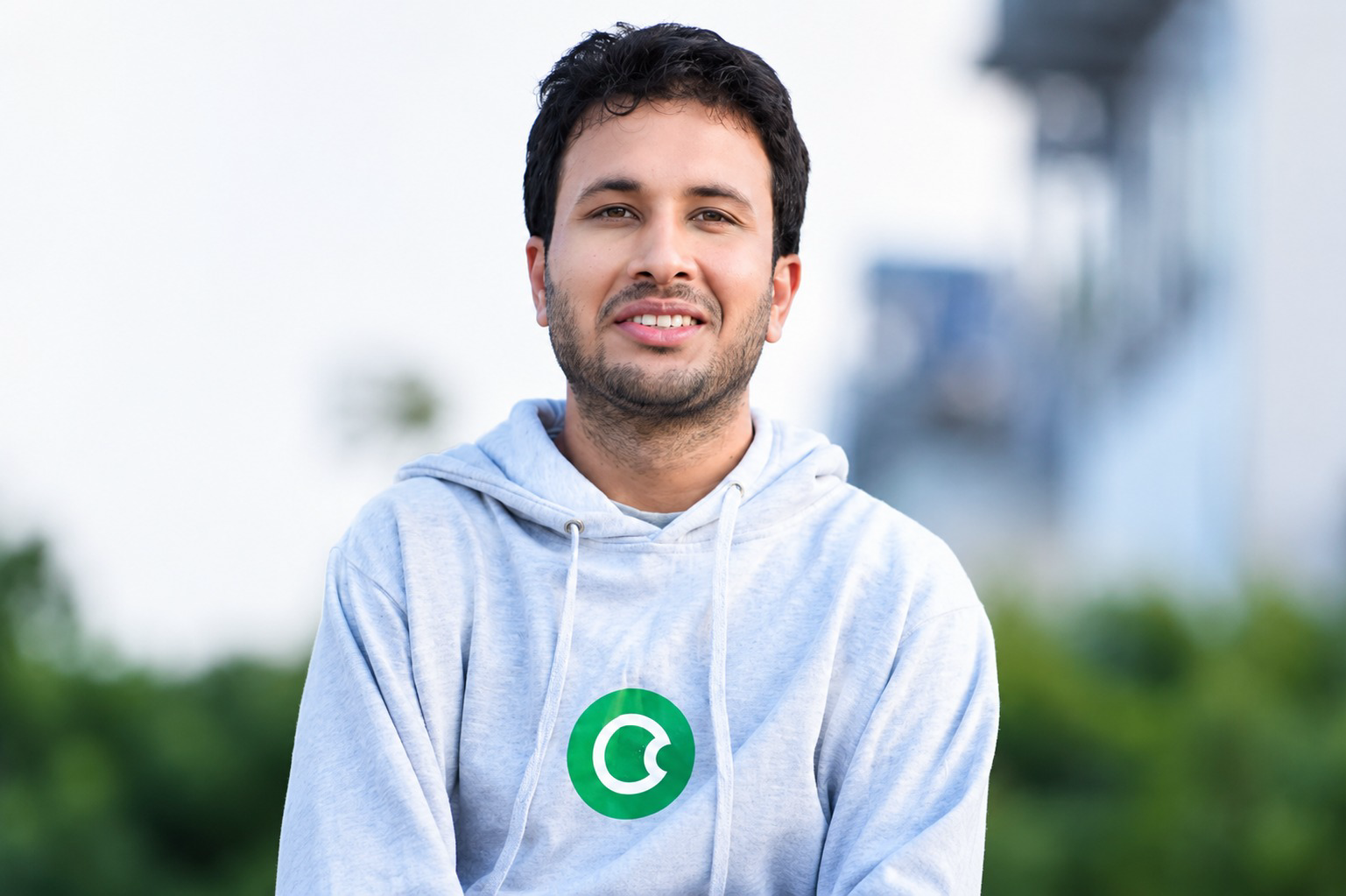
Later, co-founder and CEO Harsh Pokharna openly spoke about the experience, describing it as one of the company's mistakes instead of presenting it as an experiment that had "almost worked." That honesty is rare in an ecosystem where startup stories often celebrate wins while quietly hiding expensive miscalculations.
The mistake was scaling an assumption before validating it.
Many founders fall into the same pattern. They build features because they seem obvious, because competitors are doing it, or because everyone agrees they should matter. Only later do they realise that customers were asking for something entirely different.
Today, OkCredit serves millions of merchants across India, has raised over $80 million from investors including Lightspeed Venture Partners, Tiger Global and Y Combinator, and continues to be one of India's leading digital bookkeeping platforms. The company didn't reach that position because every decision was right. It reached there because it was willing to admit when one wasn't.