A Failed Startup Taught Him Not to Trust Customer Opinions. It Led to Wakefit.
Wakefit
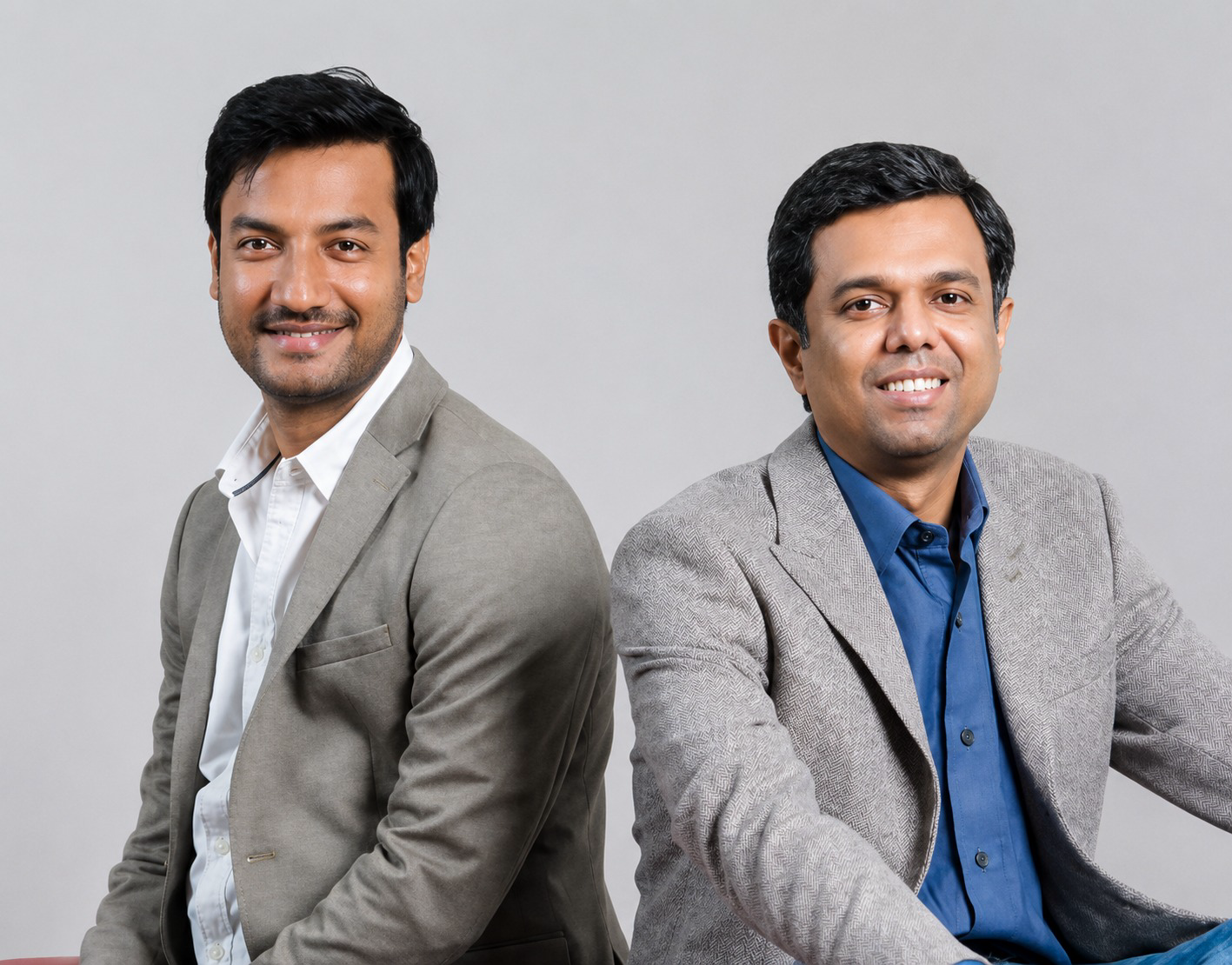
By Sharks of India
One of the earliest traps in entrepreneurship is mistaking enthusiasm for demand. A founder presents an idea, people nod in agreement, focus groups applaud the concept and early conversations end on a hopeful note. It feels like validation. In reality, it is often nothing more than encouragement. Between what customers say they want and what they eventually pay for lies a gap that has ended many promising businesses.
Before co-founding Wakefit, Chaitanya Ramalingegowda learned this lesson the hard way.
In 2011, he launched his first startup, a dating and matrimony platform that attempted to move beyond traditional filters of caste, religion and community. The idea was built around compatibility rather than convention. Prospective partners could meet through activities such as dance classes and pottery workshops, with the belief that shared interests and personalities would matter more than social identities. The concept received encouraging responses during focus groups and customer interviews. People spoke positively about the need for such a platform and appeared excited by the idea.
Confident that the product addressed an emerging aspiration among young Indians, Ramalingegowda moved ahead.
The optimism did not last.
Once users joined the platform, their behaviour contradicted everything they had expressed during interviews. Instead of searching for partners based on compatibility, many returned to familiar filters such as caste, community and religion. The problem was not the technology or the execution. The assumption itself had been flawed. The startup shut down within ten months, wiping out his personal savings. Looking back, Ramalingegowda admitted that he had been "too naive" to believe what people said during focus groups instead of paying attention to how they actually behaved.
A second venture followed, this time an online community for women built around content and commerce. It too failed after several years of effort. Two unsuccessful startups in succession would have been enough to convince many aspiring entrepreneurs to return permanently to salaried jobs. Instead, Ramalingegowda treated both failures as an education that no classroom could have offered.
When he co-founded Wakefit with Ankit Garg in 2016, the lessons from those failures shaped almost every important decision the company made.
The founders were entering a category that appeared difficult to disrupt. Mattresses had traditionally been purchased in physical stores, where customers could touch the product before deciding. Selling them online seemed counterintuitive. Rather than relying on assumptions about what customers might prefer, the founders focused on observing behaviour and removing barriers that prevented people from buying.
Their first major decision reflected that approach. Wakefit introduced a home trial, allowing customers to sleep on the mattress before deciding whether to keep it. The offer eventually evolved into the company's well-known 100-day trial after the founders realised that many customers needed more time than the original trial period allowed. The change was driven not by internal brainstorming but by customer feedback and actual usage patterns.
The same philosophy influenced product development. Packaging was redesigned after customers worried that compressed mattresses might be damaged. New mattress variants were introduced after repeated conversations with users about comfort and breathability. Rather than assuming they understood the market, the company made customer behaviour the starting point for product decisions.
The contrast with Ramalingegowda's first startup was striking. Earlier, he had trusted what people promised during interviews. With Wakefit, he trusted what customers actually did after receiving the product.
Years later, reflecting on that journey, he continued to caution founders against placing too much confidence in focus groups alone. Consumer feedback, he has said, does not always translate into purchasing behaviour. The real test begins only when customers are willing to spend their own money.
That distinction appears simple, yet many startups continue to overlook it. Founders often spend months refining products based on interviews, surveys and enthusiastic conversations. By the time they discover that positive feedback does not necessarily create paying customers, they have already invested significant time, money and emotion into assumptions that were never properly tested.
Wakefit's journey suggests a different approach. Listen carefully to customers, but trust their actions more than their words.
Today, Wakefit has grown from a mattress startup into a home and furniture brand. The company has expanded its product portfolio beyond sleep solutions, crossed significant revenue milestones over the years, attracted institutional investors after initially facing repeated rejections, and entered the public markets as part of its long-term growth journey.
Its growth was built on recognising that the most expensive assumption a founder can make is believing that customer opinions are the same as customer behaviour.